What makes it useful
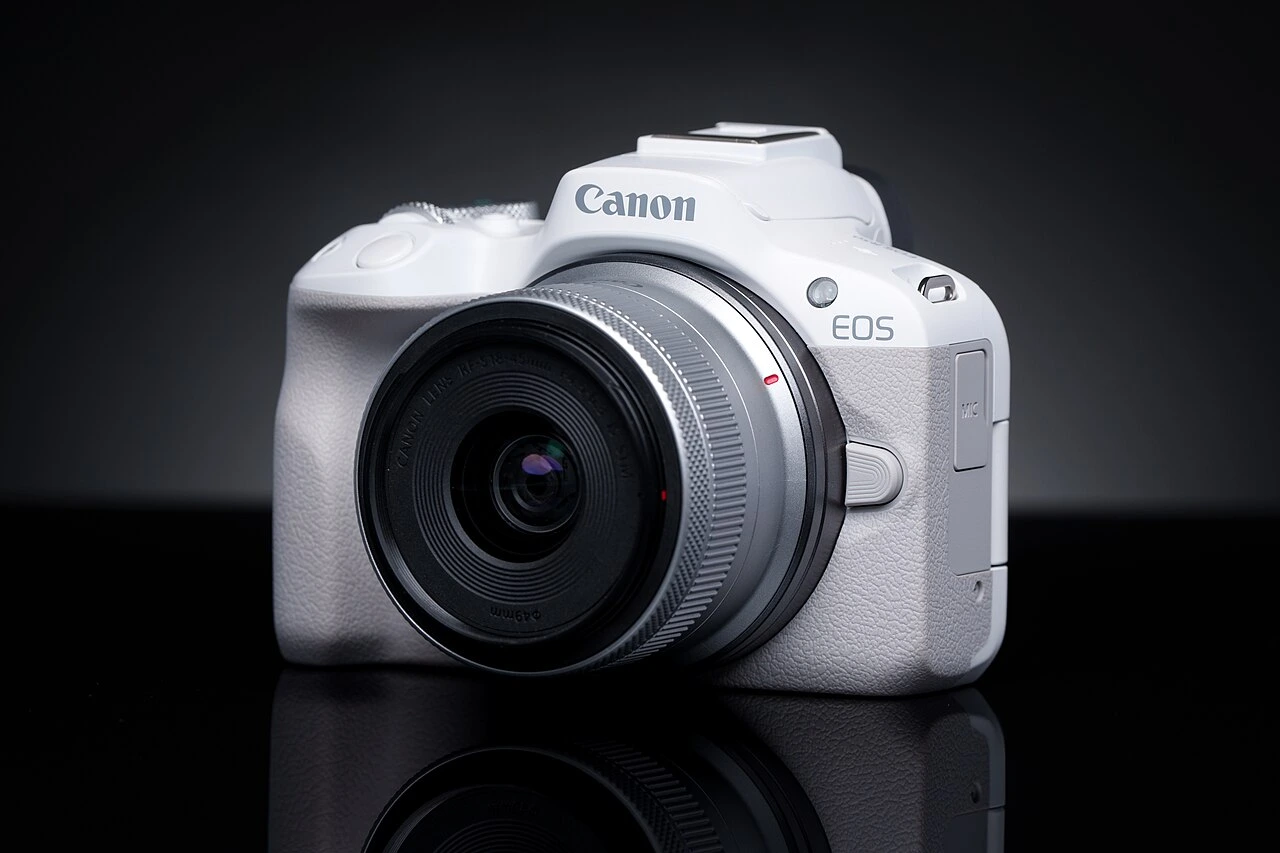
A portable camera body, but the attached kit lens adds bulk. Compare the complete shooting setup rather than body-only dimensions.
Read full analysis
The EOS R50's body prioritizes portability. Canon lists the exterior dimensions at approximately 116.3 × 85.5 × 68.8 mm, and the WHITE body at around 376 g with battery and card—or 329 g body only. Those measurements exclude the attached 18–45mm zoom and other accessories. In a travel bag the total shooting setup will therefore be larger and heavier than the headline camera-body figure, and its actual feel depends on how the lens is carried.
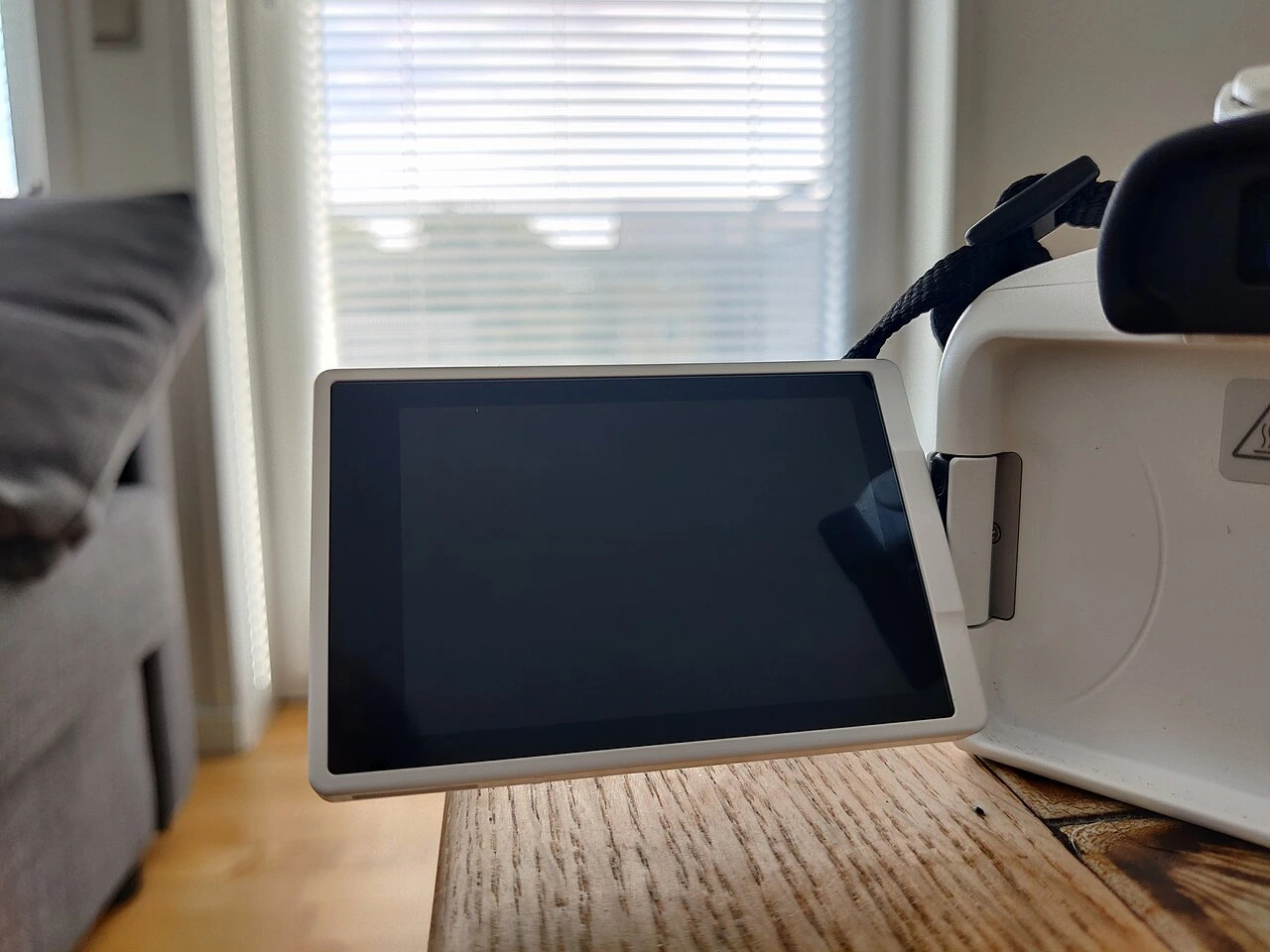
Unlike a phone, the camera offers a grip, physical lens changes, a viewfinder and a vari-angle touchscreen. The electronic viewfinder is useful in bright daylight and for holding the camera close to the face; the flip-out display is more flexible for low angles or filming yourself. Both are documented features, not a promise that all buyers will prefer Canon's layout. Someone with large hands should try the grip if possible, especially if planning to attach heavier RF lenses.
The specified APS-C sensor size is approximately 22.3 × 14.9 mm and the camera uses Canon's RF mount. RF-S lenses are designed for APS-C EOS R bodies; compatible RF lenses can also be mounted. Canon specifies use of EF or EF-S lenses through the optional EF-EOS R adapter, but EF-M lenses are not part of that compatibility path. Avoid assuming every older Canon lens will fit directly. White body finish is aesthetic rather than an imaging feature; pay for it only if you actually value the appearance. The independently licensed photo gallery is of a real white R50, though some angles show the camera body rather than the exact retail kit contents.